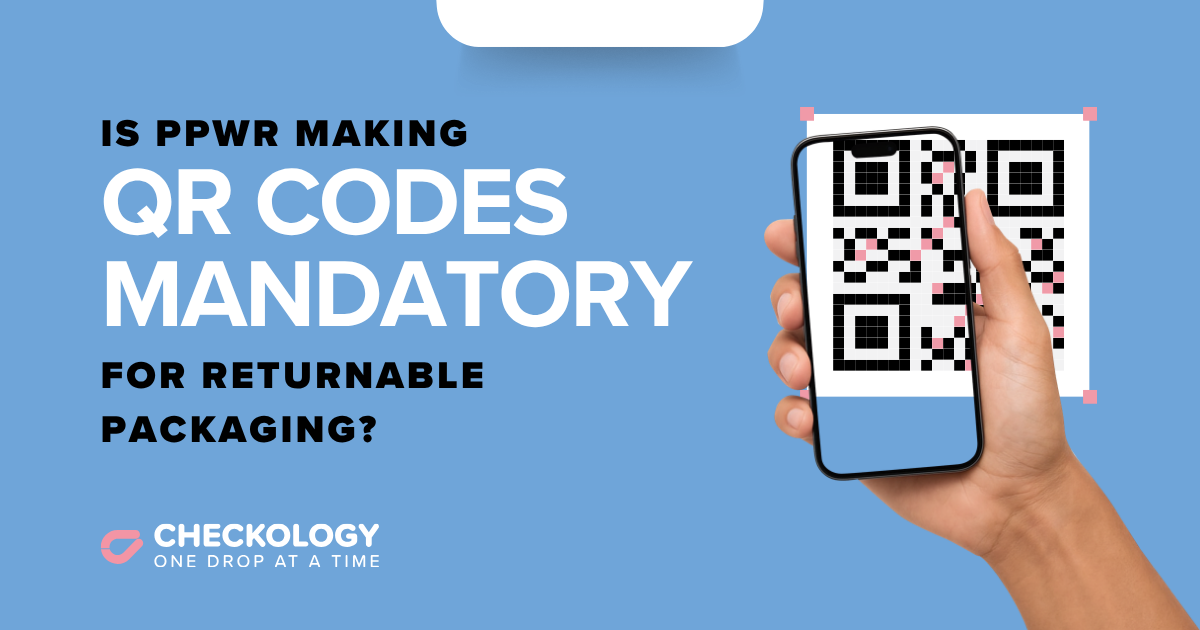
The Packaging and Packaging Waste Regulation (PPWR) is reshaping how packaging is designed, tracked, and reused across the EU. Beyond the well-known targets on recyclability and recycled content, one requirement will hit reusable and returnable packaging directly: every unit will need a QR code (or equivalent data carrier) enabling full traceability across its lifecycle.For breweries and beverage producers, this requirement points straight at the packaging formats they already circulate again and again: kegs, pallets, crates and CO₂ bottles.
What PPWR actually asks for
Under PPWR, returnable packaging used within a re-use or deposit-return system must carry a QR code or another standardised digital data carrier, enabling tracking of the unit and calculation of trips and rotations (or an average estimation where exact counts aren't feasible). This applies directly to kegs, pallets, crates and CO₂ bottles circulating in beverage supply chains. In practice, that means three things have to work together:
Most companies relying on returnable packaging today have, at best, a fragment of this: a barcode used only in the warehouse or a spreadsheet that gets updated days after the fact. That gap is exactly what PPWR is closing, whether the asset moving through the supply chain is a keg, pallets, crates or CO₂ bottles.
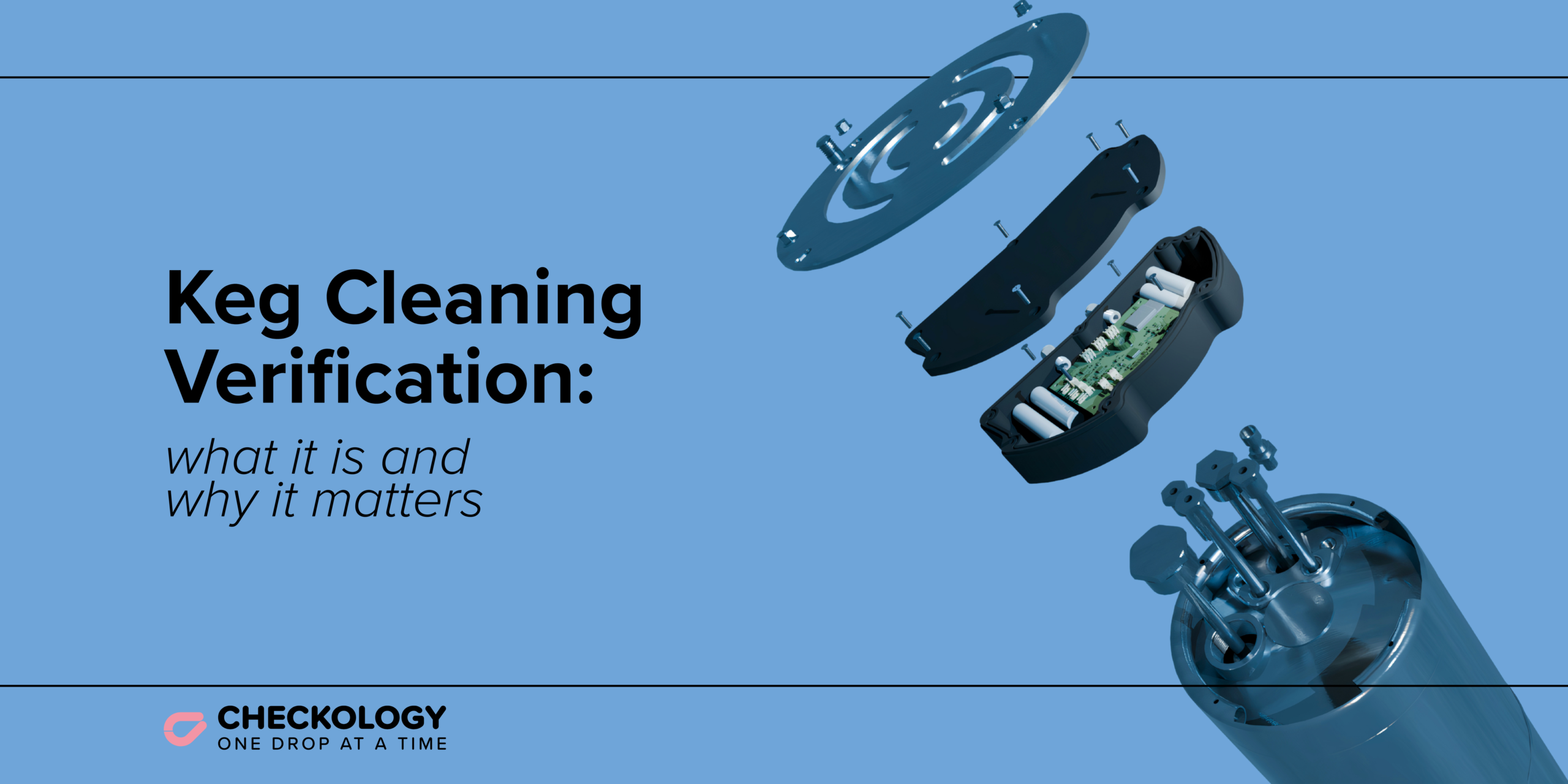
Kegs are already solving this problem
Kegs are a textbook case of returnable packaging: they circulate for years, pass through multiple hands and require proof of cleaning and condition at every cycle (precisely the kind of traceability PPWR may now be formalising into law). Pallets, crates and CO₂ bottles face the same reality and the same need to prove identity, condition, and cycle count.
This means a brewery or beverage producer working with us already has the QR-based traceability infrastructure PPWR requires, not as a future project, but as a system running in production today, across breweries in multiple European countries, and adaptable across kegs, pallets, crates and CO₂ bottles.
Why this matters now
Companies that wait until PPWR enforcement is imminent will find themselves solving three problems simultaneously and under time pressure: sourcing a durable QR-compatible asset, building scanning infrastructure, and standing up a reporting platform. Each of those, done separately and in a hurry, is expensive and slow to get right, and the pressure only grows when it needs to happen across multiple packaging formats at once.
The alternative is straightforward: start with a well-managed returnable packaging pool, whether kegs, pallets, crates or CO₂ bottles, add QR-based tracking, and the compliance layer follows naturally from data you're already collecting for operational reasons: reduced losses, better cycle times, fewer disputes with customers over missing or unclean units and analytics.
The takeaway
PPWR is turning traceability from a competitive advantage into a legal baseline for returnable packaging. For kegs, pallets, crates and CO₂ bottles alike, the good news is that the infrastructure to meet this requirement (durable QR identification, multi-stage scanning, and cloud-based lifecycle tracking) already exists and is already proven in the field.
The question isn't whether your returnable packaging pool will need this kind of traceability. It's whether you build it now, on your own terms, or later, under regulatory pressure.
Want to see what a QR-based, PPWR-ready traceability setup looks like in practice, for kegs, pallets, crates and CO₂ bottles? Get in touch! We already help breweries and beverage producers across Europe manage their returnable packaging pool and track it in real time, from filling to return.